Tips for Safe RV Shipping: Expert Advice

Updated: Oct 22, 2025
Shipping your RV can be a daunting task. Whether you are relocating, going on an extended trip, or selling your vehicle, ensuring its safe transport is crucial. With the right knowledge and preparation, you can make the process smooth and worry-free. In this post, we will share expert tips for safe RV shipping that will help you protect your investment and enjoy peace of mind.
Understand Your Shipping Options
Before you start the shipping process, it is essential to understand the different options available. There are primarily two methods for RV shipping: open transport and enclosed transport.
Open Transport
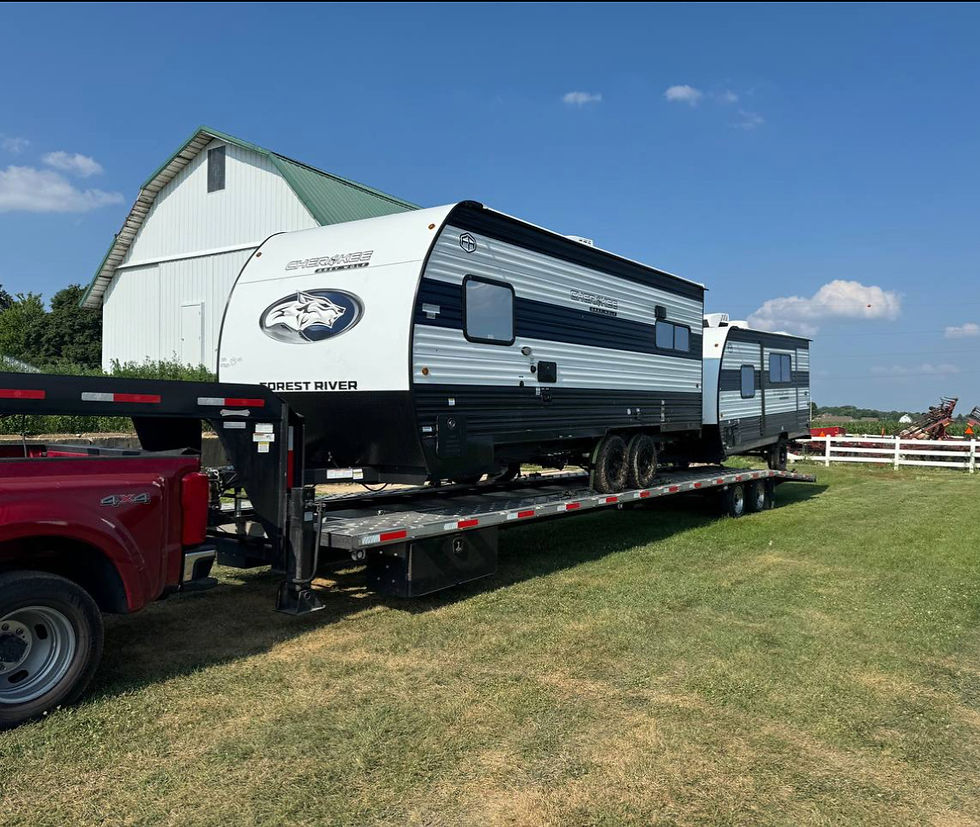
Open transport is the most common and cost-effective method. Your RV will be loaded onto a flatbed truck or trailer, exposed to the elements during transit. While this method is generally safe, your RV may be susceptible to weather conditions and road debris.
Enclosed Transport
Enclosed transport offers more protection for your RV. It is transported in a fully enclosed trailer, shielding it from weather and road hazards. This method is typically more expensive but is worth considering for high-value or classic RVs.
Choose a Reputable Shipping Company
Selecting the right shipping company is crucial for a successful RV transport. Here are some tips to help you choose a reputable company:
Research: Look for companies with positive reviews and a solid reputation. Websites like the Better Business Bureau can provide valuable insights.
Ask for Recommendations: Reach out to fellow RV owners or online forums for recommendations on reliable shipping companies.
Verify Credentials: Ensure the company is licensed and insured. This protects you in case of any damage during transport.
Prepare Your RV for Shipping
Proper preparation can significantly reduce the risk of damage during transport. Here are some steps to take before shipping your RV:
Clean Your RV
A thorough cleaning will help you spot any existing damage. It also makes it easier for the shipping company to inspect your RV before loading.
Remove Personal Items
Take out all personal belongings, including valuables, food, and any loose items. This not only protects your items but also reduces the weight of the RV, which can affect transport costs.
Check for Damage
Inspect your RV for any existing damage. Take photos of any scratches, dents, or other issues. This documentation can be helpful if you need to file a claim later.
Secure Loose Parts
Make sure to secure or remove any loose parts, such as antennas, awnings, or bike racks. These items can be damaged during transport if not properly secured.
Understand the Costs Involved
Shipping an RV involves various costs. Understanding these can help you budget effectively. Here are some common expenses to consider:
Transport Fees: The cost of shipping will vary based on the distance, method of transport, and size of your RV.
Insurance: While most shipping companies offer basic insurance, you may want to purchase additional coverage for peace of mind.
Fuel Surcharges: Some companies may charge extra for fuel, especially during peak travel seasons.
Communicate with the Shipping Company
Clear communication with your shipping company is vital. Here are some tips for effective communication:
Ask Questions: Don’t hesitate to ask about the shipping process, timelines, and any concerns you may have.
Provide Accurate Information: Ensure the shipping company has all the necessary details about your RV, including its size, weight, and any special features.
Stay Informed: Request updates during the shipping process. Knowing where your RV is can ease your mind.
Track Your RV During Transport
Many shipping companies offer tracking services, allowing you to monitor your RV's journey. This feature can provide peace of mind, especially if you are shipping your RV over long distances.
Inspect Your RV Upon Arrival
Once your RV arrives at its destination, it is crucial to inspect it thoroughly. Here’s what to do:
Check for Damage: Compare the condition of your RV to the photos you took before shipping. Look for any new scratches, dents, or other issues.
Document Any Damage: If you find any damage, take photos and document it immediately. This will be essential if you need to file a claim with the shipping company.
Report Issues Promptly: Contact the shipping company as soon as possible to report any damage. Most companies have a specific timeframe for filing claims.
Consider Seasonal Factors
Shipping your RV during peak travel seasons can affect costs and availability. Here are some seasonal factors to keep in mind:
Summer Months: Many people travel during the summer, leading to higher demand for shipping services. Book your transport well in advance to secure a spot.
Winter Weather: If you are shipping your RV in winter, be aware of potential weather delays. Choose a shipping company that has experience with winter transport.
Know Your Rights as a Customer
As a customer, you have rights when it comes to shipping your RV. Familiarize yourself with these rights to ensure a smooth experience:
Right to Information: You have the right to receive clear information about the shipping process, costs, and timelines.
Right to Compensation: If your RV is damaged during transport, you have the right to file a claim and seek compensation.
Right to Choose: You can choose the shipping method that best suits your needs and budget.
Stay Informed About Regulations
Different states have varying regulations regarding RV transport. It is essential to stay informed about these regulations to avoid any issues during shipping. Here are some tips:
Research State Laws: Before shipping your RV, research the laws in both the pickup and delivery states.
Check for Permits: Some states may require special permits for oversized vehicles. Ensure you have the necessary permits before transport.
Utilize Technology for a Smooth Process
Technology can simplify the RV shipping process. Here are some tools and apps that can help:
GPS Tracking: Many shipping companies offer GPS tracking, allowing you to monitor your RV's location in real-time.
Mobile Apps: Some companies have mobile apps that provide updates and allow you to communicate easily with the shipping team.
Online Reviews: Use online platforms to read reviews and compare shipping companies before making a decision.
Final Thoughts on Safe RV Shipping
Shipping your RV doesn't have to be a stressful experience. By following these expert tips, you can ensure a safe and smooth transport process. From understanding your shipping options to preparing your RV and choosing a reputable company, each step plays a vital role in protecting your investment.
Remember, preparation is key. Take the time to research, communicate effectively, and stay informed about regulations. With the right approach, you can enjoy your RV adventures without worrying about the shipping process.


Comments